
World Affairs and Foreign Coverage
Diplomatic Terms Translated Differently Across Foreign News
When a foreign ministry issues an official press release or an ambassador addresses an international briefing, every word is selected with mathematical precision. Diplomatic language is designed to signal state intent, exert measured pressure, or maintain “constructive ambiguity” – deliberately leaving room for future negotiation without committing to immediate military or economic escalation.
However, when this carefully calibrated language travels through global newsrooms, it undergoes a dramatic transformation. A phrase originally crafted as a mild expression of concern in a primary diplomatic transcript can emerge as a “stern warning” in an American newspaper, a “grave objection” in a European publication, or a “defiant condemnation” in an Asian broadcast.
These translation shifts are rarely innocent linguistic mistakes. Understanding the formal hierarchy of diplomatic vocabulary and the editorial motives behind “translation inflation” enables critical news readers to separate true geopolitical intent from media-generated hype.
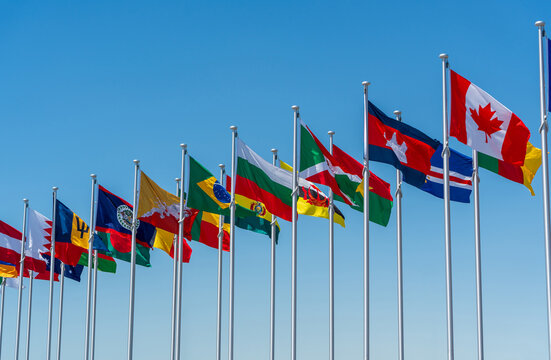
The hierarchy of diplomatic vocabulary: Verbs and modifiers
International diplomacy relies on a standardized, legalistic ladder of vocabulary. Diplomats use specific verbs and modifiers to signal precise escalation tiers. When translators alter these specific terms, they shift the legal and political weight of the entire statement.
The diplomatic verb ladder
In formal diplomatic protocol, verbs represent specific levels of state displeasure:
- Express Concern / Note with Regret: Indicates mild diplomatic disagreement without threatening retaliatory action.
- Deplore: Signals serious moral and political dissatisfaction, stepping beyond mild regret while avoiding formal legal hostility.
- Condemn: Represents formal, severe state condemnation, often serving as the final diplomatic warning before sanctions or military posturing.
- Urge: A formal request encouraging another sovereign state to alter a policy course without issuing a direct ultimatum.
- Demand: An explicit, high-pressure mandate that implies severe consequences or diplomatic breakdown if ignored.
Swapping “urge” for “demand” in a news headline artificially converts a diplomatic request into an ultimatum, misinforming the public about the likelihood of conflict.
Modifier intensities
Similarly, adjectives and adverbs are carefully measured. The phrase “deep concern” reflects standard diplomatic monitoring. Upgrading the phrase to “grave concern” signals that a crisis has reached a threshold where state intervention is being actively considered. If a translator adds the word “stark” or “unprecedented” to a statement where no such modifier existed in the original transcript, the outlet is artificially inflating the drama of the event.
Diplomatic vocabulary intensity matrix
To understand how newsrooms distort diplomatic language, review this operational intensity matrix comparing official state terminology against common media translation distortions:
| Official diplomatic term | Intended political weight | Common translation distortion | Impact on reader perception |
| “Expresses Concern” | Low-to-medium monitoring; signals disagreement without threat. | Translated as “Issues Warning” or “Voices Alarm.” | Creates false panic that conflict or sanctions are imminent. |
| “Urges Restraint” | Neutral request for both parties to de-escalate. | Translated as “Demands Halt” or “Orders Stop.” | Frames the issuing state as an aggressive authority rather than a mediator. |
| “Deplores the Action” | Formal dissatisfaction; sharp diplomatic criticism. | Translated as “Denounces as Illegal” or “Condemns.” | Overstates the legal hostility of the official state response. |
| “Takes Note Of” | Bureaucratic acknowledgment; deliberately avoids taking a side. | Translated as “Accepts” or “Endorses.” | Misrepresents passive observation as active political support. |

Editorial motives behind translation inflation in newsrooms
Translation shifts occur primarily because commercial news outlets and state-aligned media operate under incentives that diverge from diplomatic protocol.
Sensationalism and clickbait headline framing
Modern digital journalism relies on reader engagement, clicks, and social media shares. Diplomatic language, designed by career bureaucrats, is intentionally dry, guarded, and nuanced. “Minister Expresses Concern Over Trade Dispute” makes for a dull, low-performing headline.
To drive traffic, copy editors engage in translation inflation – replacing “expresses concern” with “launches scathing attack” or “issues dire warning.” This editorial inflation generates higher click-through rates by tapping into reader anxiety and outrage.
Domestic political alignment and regional bias
News outlets also adjust translations to align with domestic foreign policy agendas or appease local public opinion.
When a foreign adversary issues a nuanced statement, a domestic news outlet might translate it using aggressive, hostile verbs to frame the adversary as unreasoning and confrontational. Conversely, when a key geopolitical ally uses harsh language, the same newsroom might soften the translation to protect the ally’s public image.
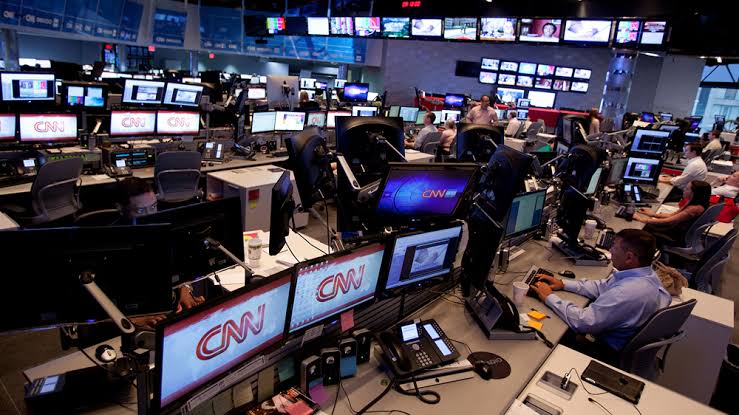
Verification protocols using primary diplomatic transcripts
To protect yourself from media-driven translation distortions, adopt a systematic verification protocol when reading international news.
Primary source auditing via foreign ministry archives
Never accept a translated quotation at face value if the story seems unusually confrontational. Locate the primary source transcript. Major foreign ministries (such as the US Department of State, UK Foreign Office, or French Ministry for Europe and Foreign Affairs) and intergovernmental bodies (like the United Nations) publish full, verbatim transcripts and official English translations on their press portals within hours of a briefing.
Compare the exact verb used in the news headline against the official transcript. If the transcript says “urge” and the article says “demand,” you have identified editorial distortion.
Contextual stripping and missing conditional clauses
Another common media tactic is stripping away conditional clauses. Diplomats frequently use “if/then” frameworks (e.g., “We would view further actions with grave concern if diplomatic channels are closed”).
Sensationalist news articles often strip out the conditional clause (“if diplomatic channels are closed”) and report only the threat (“We view actions with grave concern”). Always check the surrounding paragraphs in the official transcript to verify whether a diplomatic statement was absolute or conditional.
Resolution of common ambiguities in international news reporting
Why don’t diplomats use simple, direct language instead of vague terms like “grave concern”?
Vagueness in diplomacy is a feature, not a bug. Known as Constructive Ambiguity, using flexible language allows sovereign states to negotiate, de-escalate, or save face without backing themselves into a legal or military corner that mandates war.
How can I verify a translated quote if the issuing government’s press release is in a language I don’t speak?
Most major foreign ministries publish official English-language translations of their press briefings alongside the native text. Always look for the official English transcript on the issuing government’s .gov portal rather than relying on commercial newsroom translations.
Does a news outlet’s choice of an aggressive verb indicate official state hostility?
Not necessarily. In private commercial media, aggressive verbs usually reflect clickbait headline economics rather than government policy. However, in state-controlled or state-aligned media outlets, a sudden shift toward harsher translated verbs often signals an official, coordinated state propaganda campaign.