
Korean Expat Forums Overseas
Why Same Global Platforms Have Different Country Usage Terms
The “World Wide Web” is fundamentally a myth. When you sign up for a global digital service like Netflix, Spotify, or Google, you are not stepping into a borderless, egalitarian digital utopia. You are stepping into a strictly fenced legal territory.
Most internet users scroll blindly to the bottom of the Terms of Service (TOS) and click “I Agree,” operating under the illusion that they are signing the exact same universal contract as someone sitting halfway across the globe. This is a profound misunderstanding of digital law. Tech giants utilize automated IP tracking and billing address verification to silently swap out the legal contract you are signing.
The terms you agree to are dynamically generated to comply with – and exploit – your specific geographic location. Dissecting these invisible legal walls explains why a user in Paris enjoys vastly different digital rights, consumer protections, and privacy standards than a user in New York or Seoul.
Corporate shields and the illusion of dealing with headquarters
The first major shock hidden within localized Terms of Service is the identity of the company you are actually doing business with.
When you click “Accept,” you are rarely contracting with the glamorous global headquarters located in Silicon Valley. To protect their core corporate assets from massive international class-action lawsuits and to optimize their global tax liabilities, tech giants route international users into contracts with regional shell companies and subsidiaries.
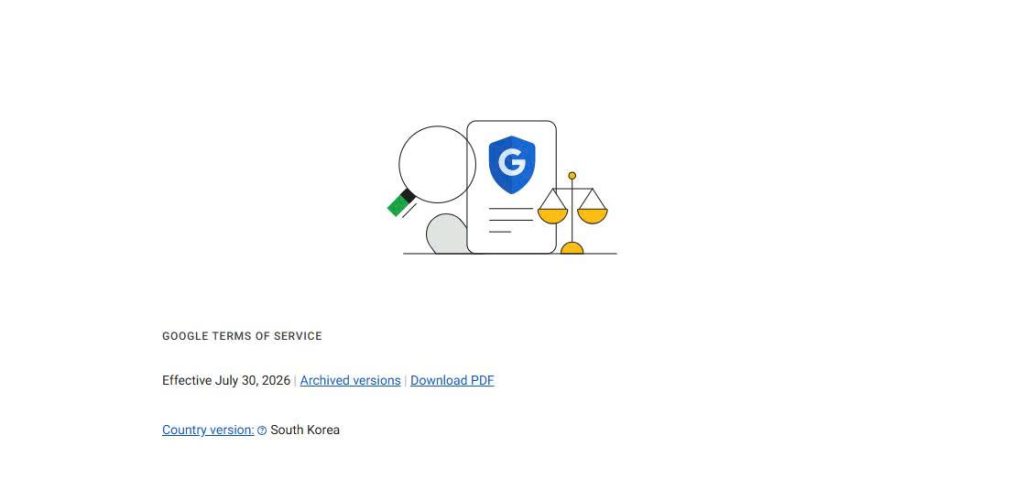
For instance, a user registering from the European Union is not legally contracting with Google LLC in California; they are legally bound to Google Ireland Limited. An Asian user signing up for the same service might be routed to a contract with Google Asia Pacific Pte. Ltd., based in Singapore.
This corporate shell game is cemented by the “Governing Law and Jurisdiction” clause buried deep in the TOS. This clause dictates that any legal dispute you have with the platform must be fought in a specific foreign court, under unfamiliar foreign laws. By enforcing this clause, global platforms completely neutralize your local legal leverage, making it prohibitively expensive and logistically impossible for an average consumer to sue them over a suspended account or a billing dispute.
The disparity in consumer financial protection and digital refunds
The financial rules governing your account shift dramatically the moment your digital border crosses into a new jurisdiction. Global platforms do not offer generous refund policies out of goodwill; they offer them only where local governments force them to.
To understand how drastically your consumer rights fluctuate based on your IP address and billing country, review this regional legal comparison:
| Consumer protection element | European Union (GDPR & Consumer Directives) | United States & Asia (Unregulated Markets) | Impact on user rights |
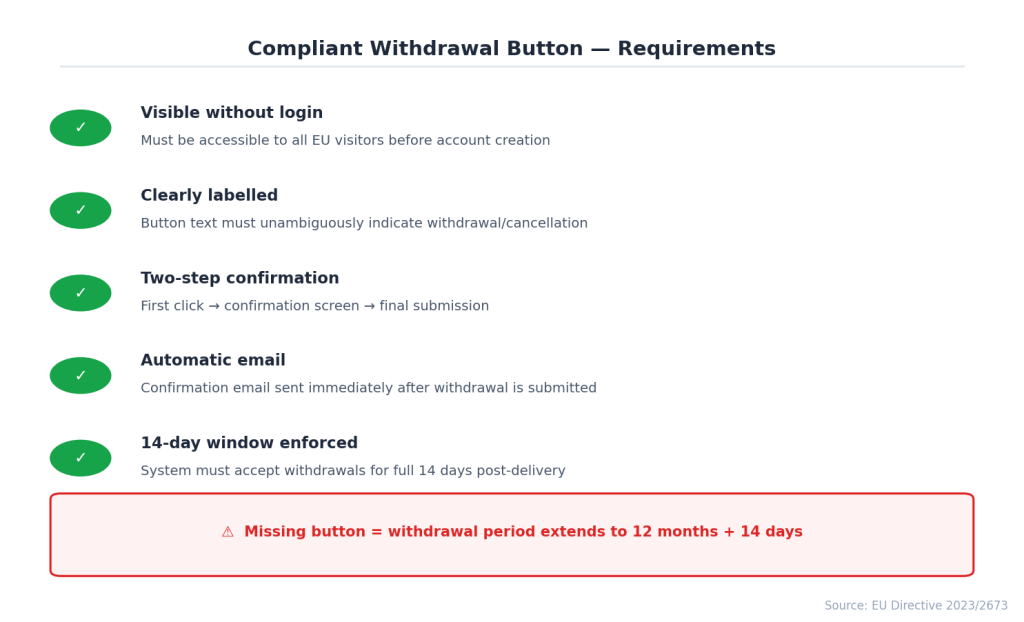
| Digital Refunds | Mandated 14-day “Right of Withdrawal” for digital purchases. | Strict “All sales are final and non-refundable” clauses. | EU users can test and refund digital goods; US/Asian users lose their money instantly. |
| Data Privacy | Absolute right to data deletion (“Right to be Forgotten”). | Platforms claim indefinite rights to harvest and sell user data. | Unregulated users surrender total ownership of their digital footprint. |
| Digital Taxes | Value-Added Tax (VAT) must be transparently included in the price. | Complex local sales taxes are added silently at final checkout. | US/Asian users frequently face hidden checkout markups compared to EU transparency. |
Because the financial protections in the EU are so heavily skewed in favor of the consumer, global platforms actively wage war against “region hoppers.” This is why attempting to use a Virtual Private Network (VPN) to change your account region to exploit better refund policies or cheaper regional pricing is explicitly listed as a banable offense in the “Acceptable Use” section of almost every platform’s TOS.
Territorial censorship and the fragmentation of digital privacy
The most insidious variations in localized Terms of Service dictate what you are allowed to see and what the platform is allowed to know about you.
Privacy frameworks like the GDPR force platforms to offer European citizens mandatory data breach disclosures and opt-in consent for tracking cookies. In stark contrast, users in unregulated regions sign TOS agreements that legally permit the platform to monitor their behavior, harvest their device data, and monetize their profiles without explicit consent. The platform does not grant high-level privacy to everyone globally – it only builds expensive privacy infrastructure where the law threatens them with massive financial penalties.
Furthermore, the “Acceptable Use” and “Content Availability” policies are routinely weaponized to enforce local censorship. Streaming platforms embed regional clauses that legally allow them to geoblock specific movies, disable encrypted communication features (like VoIP calling), or ban entire user accounts without notice. They do this not out of malice, but to appease local authoritarian governments and avoid devastating regulatory fines.
When you sign a localized TOS, you are not just agreeing to use a piece of software. You are signing a contract that legally binds your digital existence to the economic and political realities of the country you live in.
Actionable strategies: How to protect your digital rights and wallet
Understanding that global platforms manipulate terms based on your location is only half the battle. To protect your digital privacy and avoid financial traps, you must adopt proactive strategies when engaging with cross-border services.
Here is your playbook for navigating fragmented Terms of Service:
- 1. Exercise extreme caution with VPN “Region Hopping”: Many users attempt to use a VPN to mask their IP address, routing their connection through Argentina or Turkey to secure cheaper subscription prices, or through the EU to gain 14-day refund rights. Do not do this with primary accounts. Modern platforms (like Steam, PlayStation, and Google) employ advanced proxy detection. Breaching the “Territorial Manipulation” clause of the TOS gives the platform the legal right to instantly ban your account and permanently freeze your entire library of purchased digital assets. If you must bypass a region lock, use a secondary, disposable “burner” account with a localized prepaid gift card.
- 2. Audit your contracting entity before making massive purchases: Before buying a $2,000 digital software suite or a lifetime subscription, scroll to the bottom of the TOS and identify your “Contracting Entity.” If the entity is located in a country with weak consumer protection laws (and forces mandatory binding arbitration instead of small-claims court), assume that you will never get a refund if the software fails. Pay via a credit card (like Visa or Amex) rather than debit, as credit cards allow you to initiate an international chargeback if the platform refuses to honor a refund.
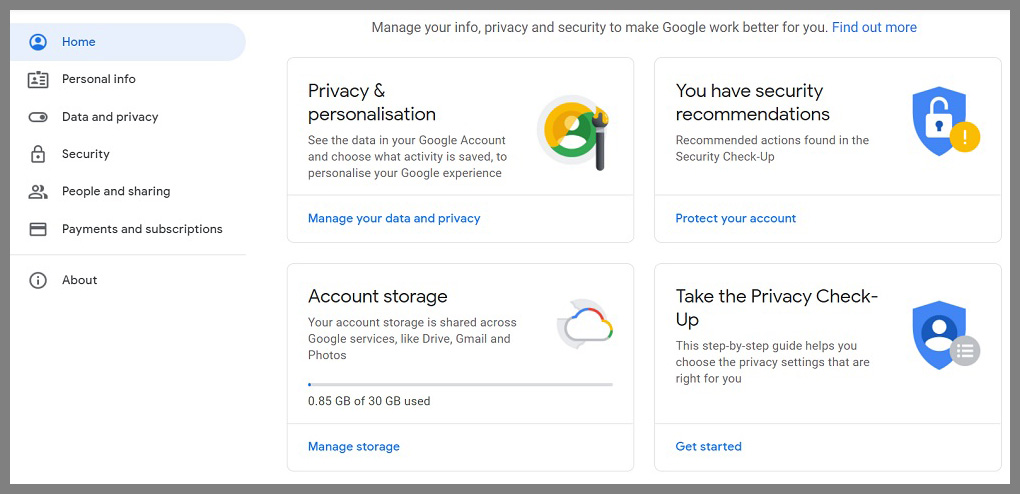
- 3. Leverage GDPR tools regardless of your location: Even if you live outside the EU, many tech giants build a single global dashboard for data management simply because maintaining two separate backend infrastructures is too expensive. Look for the “Privacy Dashboard” or “Download My Data” sections in your account settings. You can often manually toggle off ad-tracking, delete location history, and restrict data sharing just as an EU citizen would, even if your local TOS does not legally guarantee you these rights.